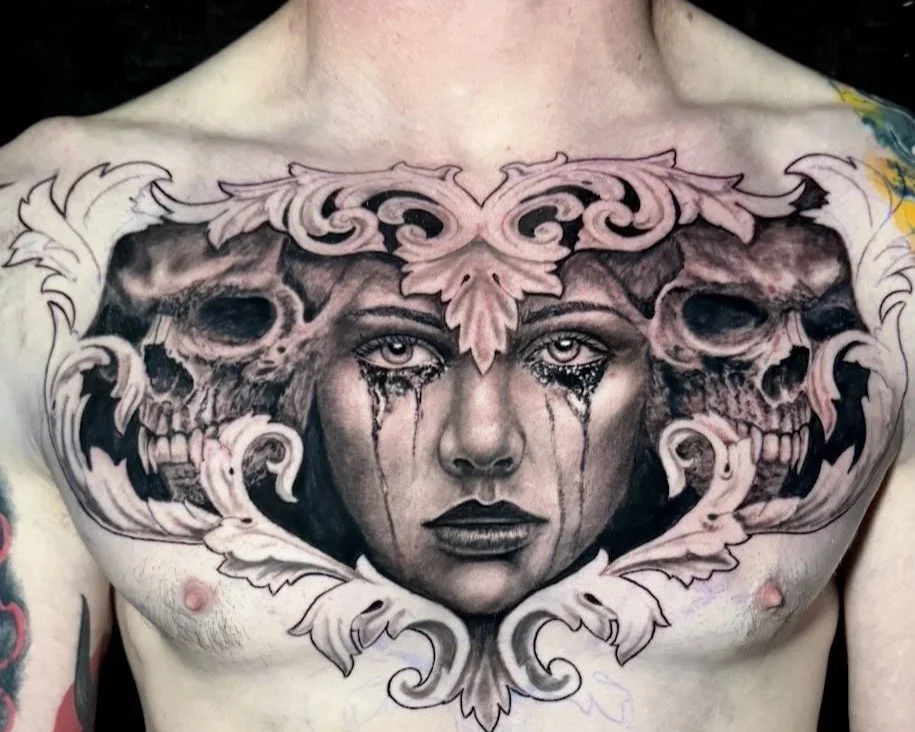
What Am I Building?
Most people start with one tattoo. Then another. Then another. Over months or years, the collection grows - each piece chosen independently, each one meaningful on its own terms. This is a completely legitimate way to build a body of work. But there's a point - often when someone is planning their fourth or fifth tattoo - where a different question becomes worth asking. Not 'what do I want next?' but 'what am I building?'
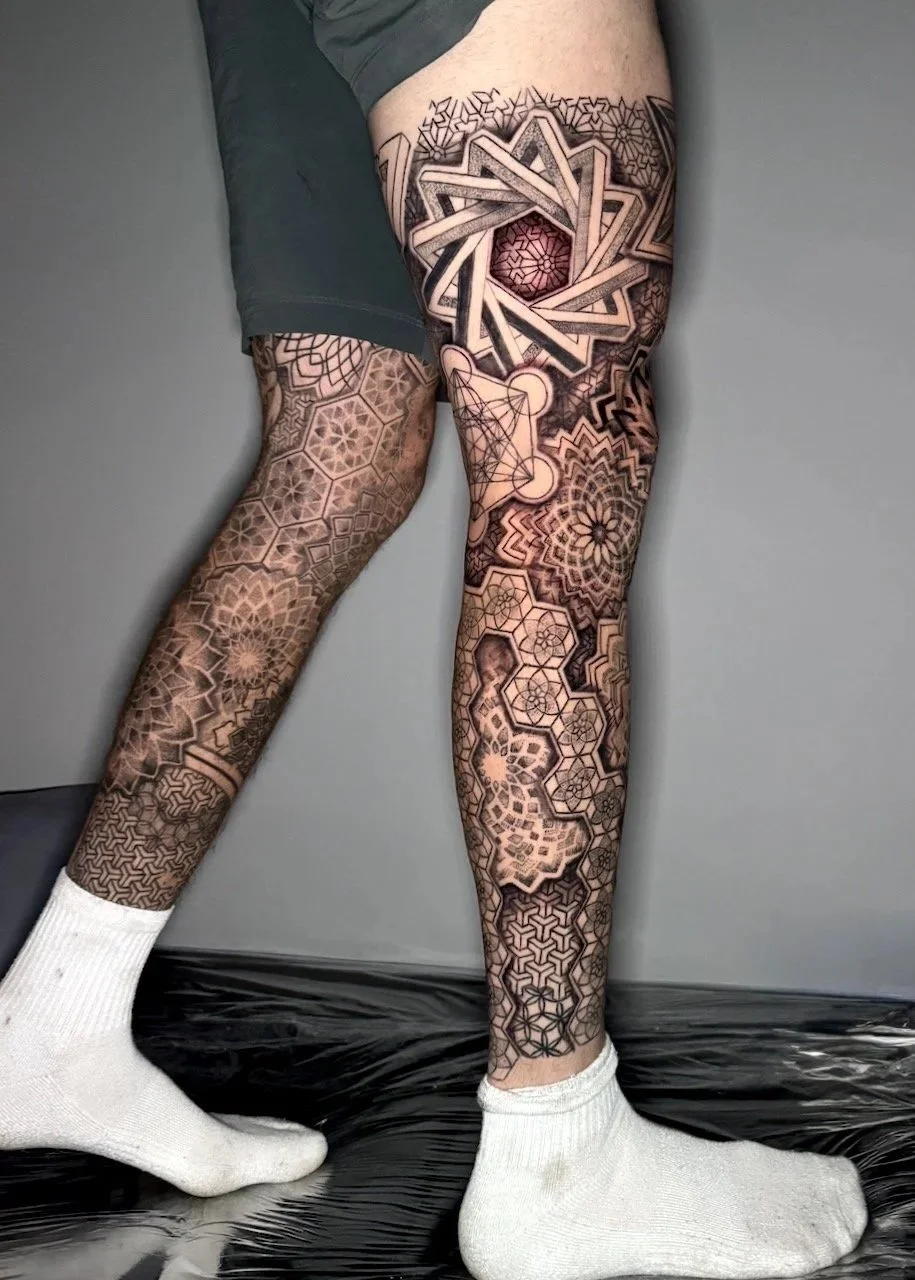
Tattoo Placement: Working With the Body, Not Against It
Most people choose placement the same way. They decide what they want, then decide where it goes. The tattoo first. The body second. That's the wrong order.

Why Your Reference Photo Isn't Always the Best Reference
Most clients arrive with a reference photo. That's a good thing. It gives us a shared starting point - a way to talk about style, mood, subject matter, and what you're drawn to without having to describe it from scratch.
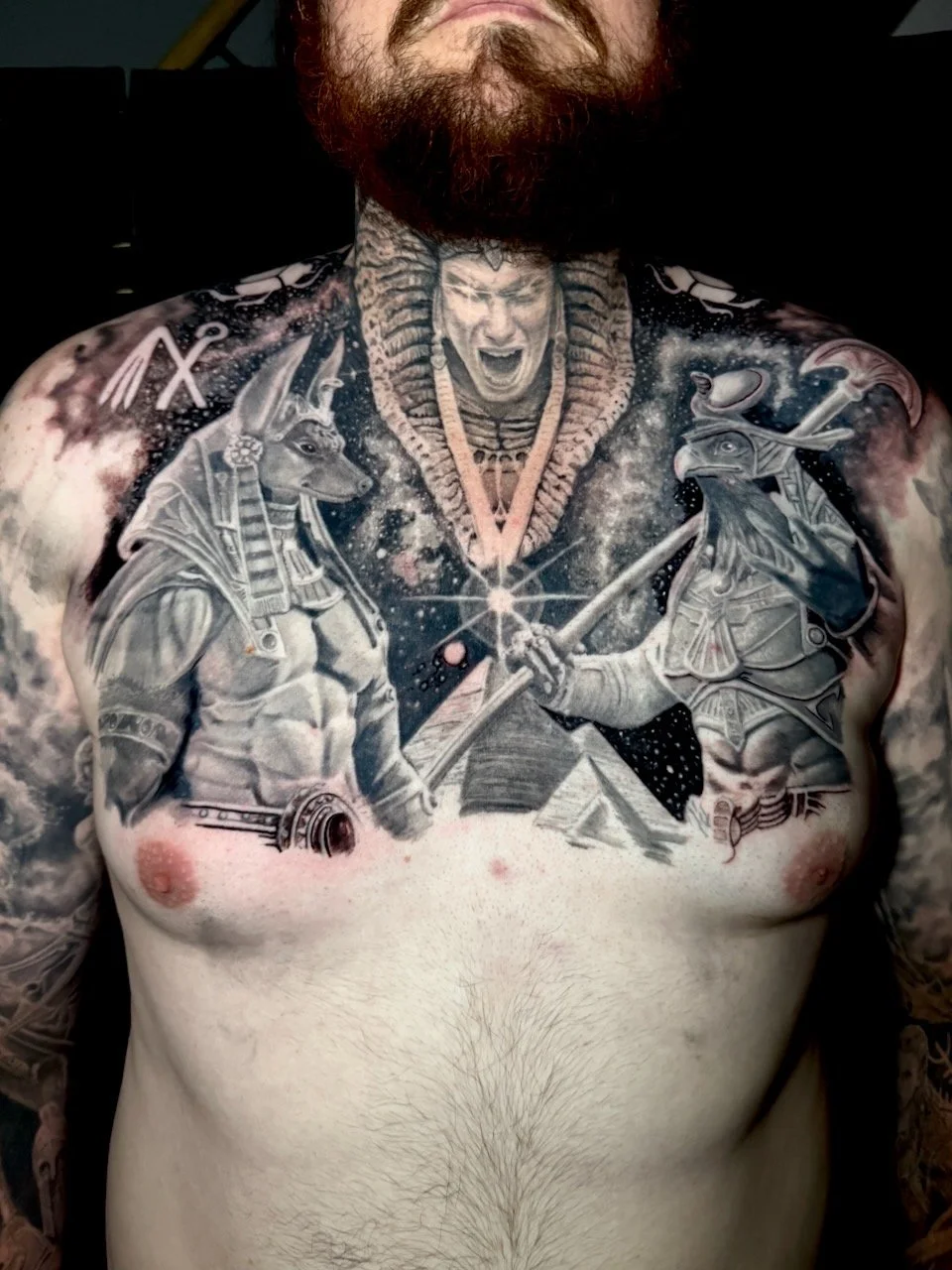
What Makes a Great Black & Grey Realism Tattoo?
Black and grey realism is one of the most technically demanding styles in tattooing. It's also one of the most misunderstood. Most conversations about the style focus on what it is. This one is about what makes it good.
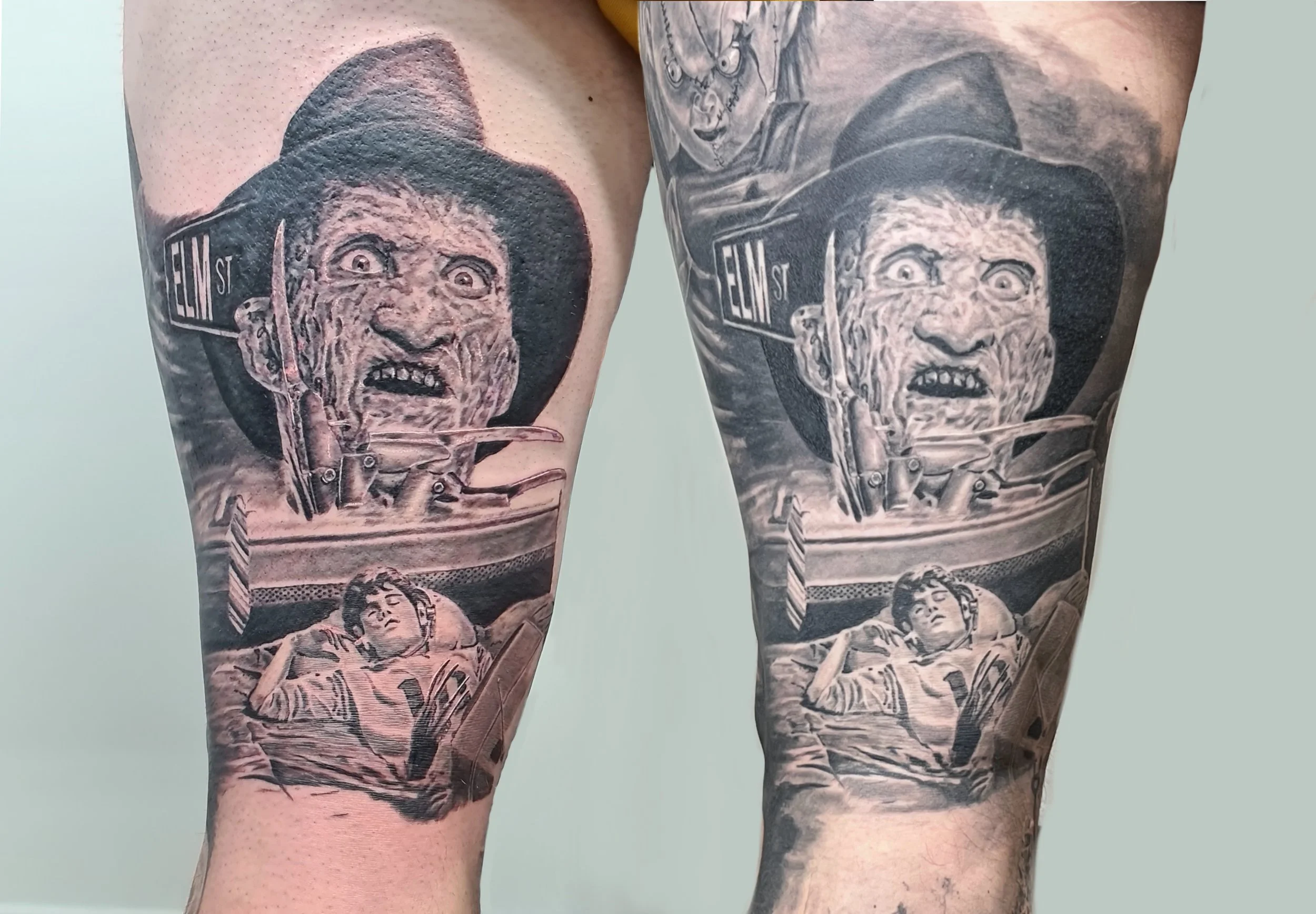
Fresh vs Healed: What Your Tattoo Actually Looks Like
A fresh tattoo is not a finished tattoo. It's the beginning of one. What your tattoo looks like on the day it's done and what it looks like six months later are two different things.
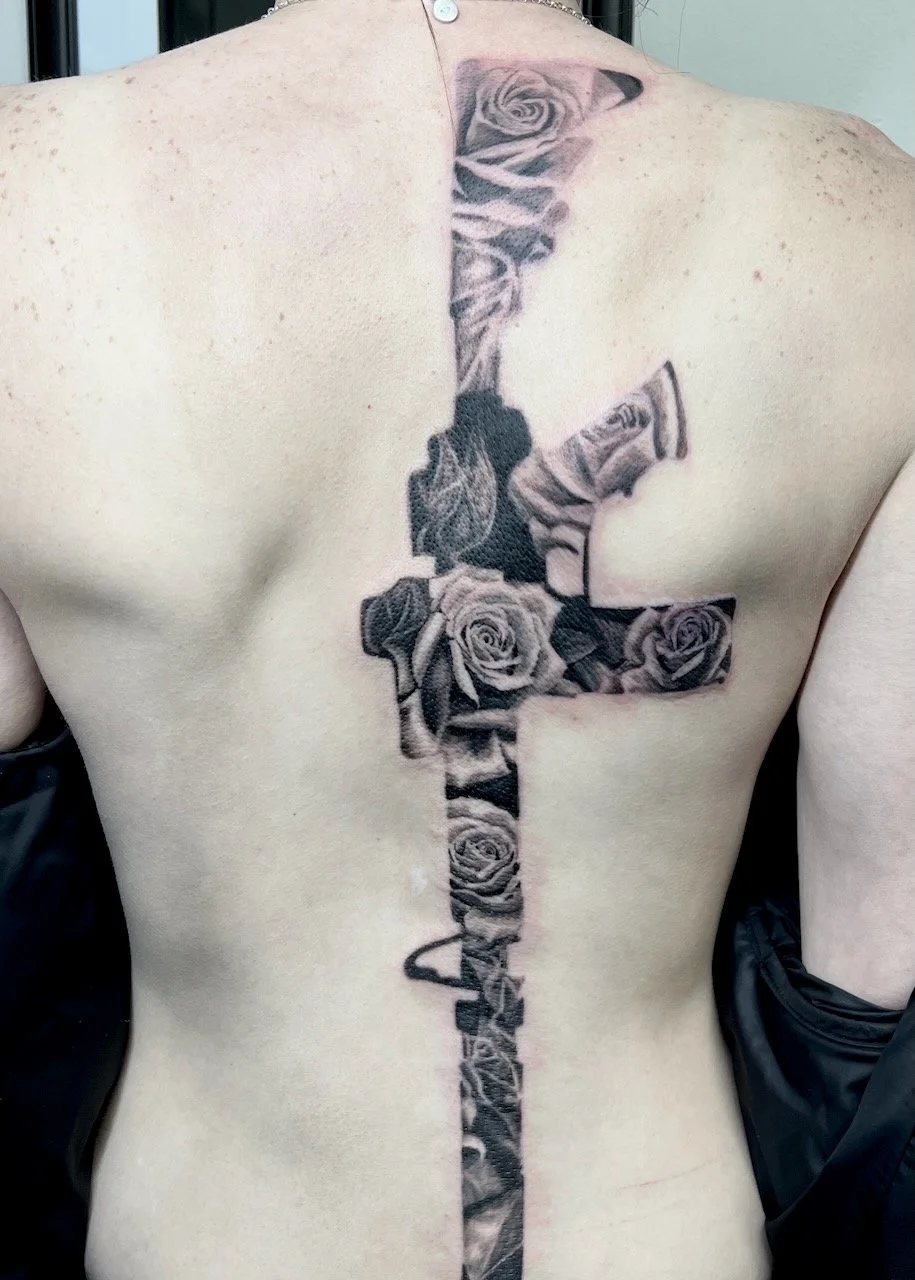
How to Brief Your Tattoo Artist
The quality of a tattoo consultation depends on two people. The artist brings experience, technical knowledge, and design judgment. The client brings something equally important - a clear sense of what they want and the information needed to make it happen.
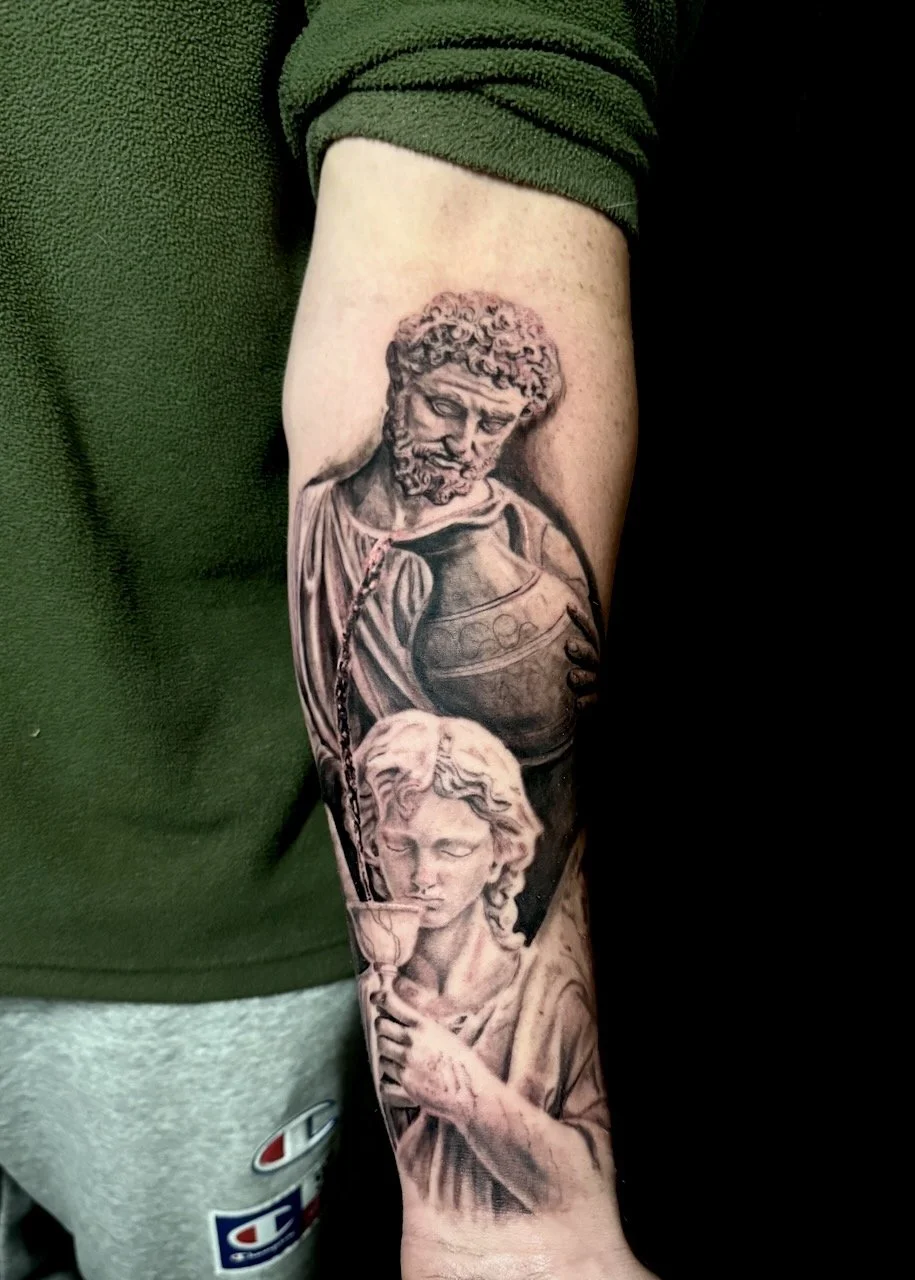
Tattoo Mistakes People Make
After sixteen years of tattooing, certain conversations repeat themselves. Not because clients are careless or uninformed. But because there are a handful of decisions that seem reasonable at the time and cause problems later - and without someone to flag them early, most people only discover this after the fact.
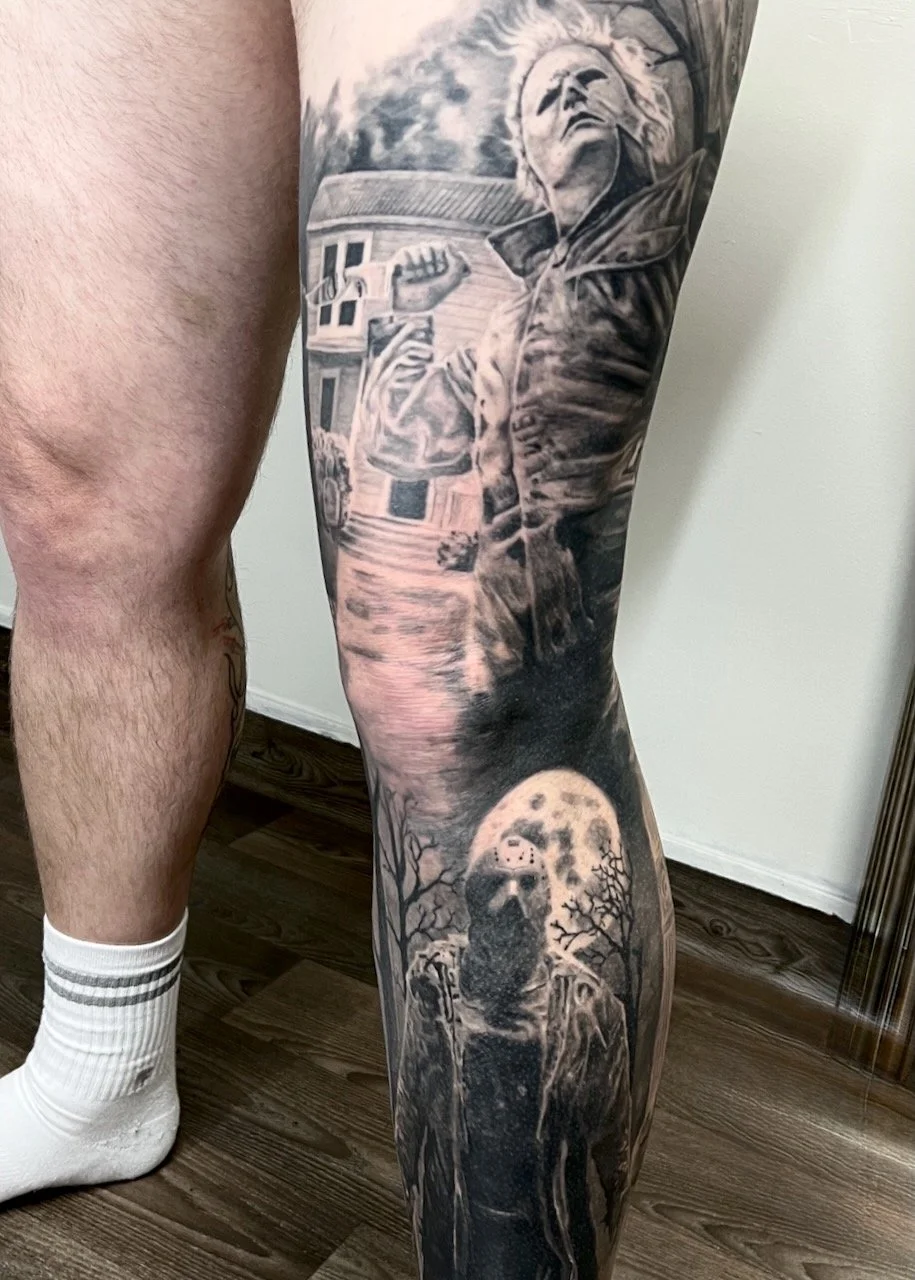
How Tattoo Artists See Tattoos
Walk into a room with a tattooed artist and they're already looking. Not staring. Not critiquing. Just - noticing. Processing. The way a musician hears a song differently from someone who's never played an instrument.
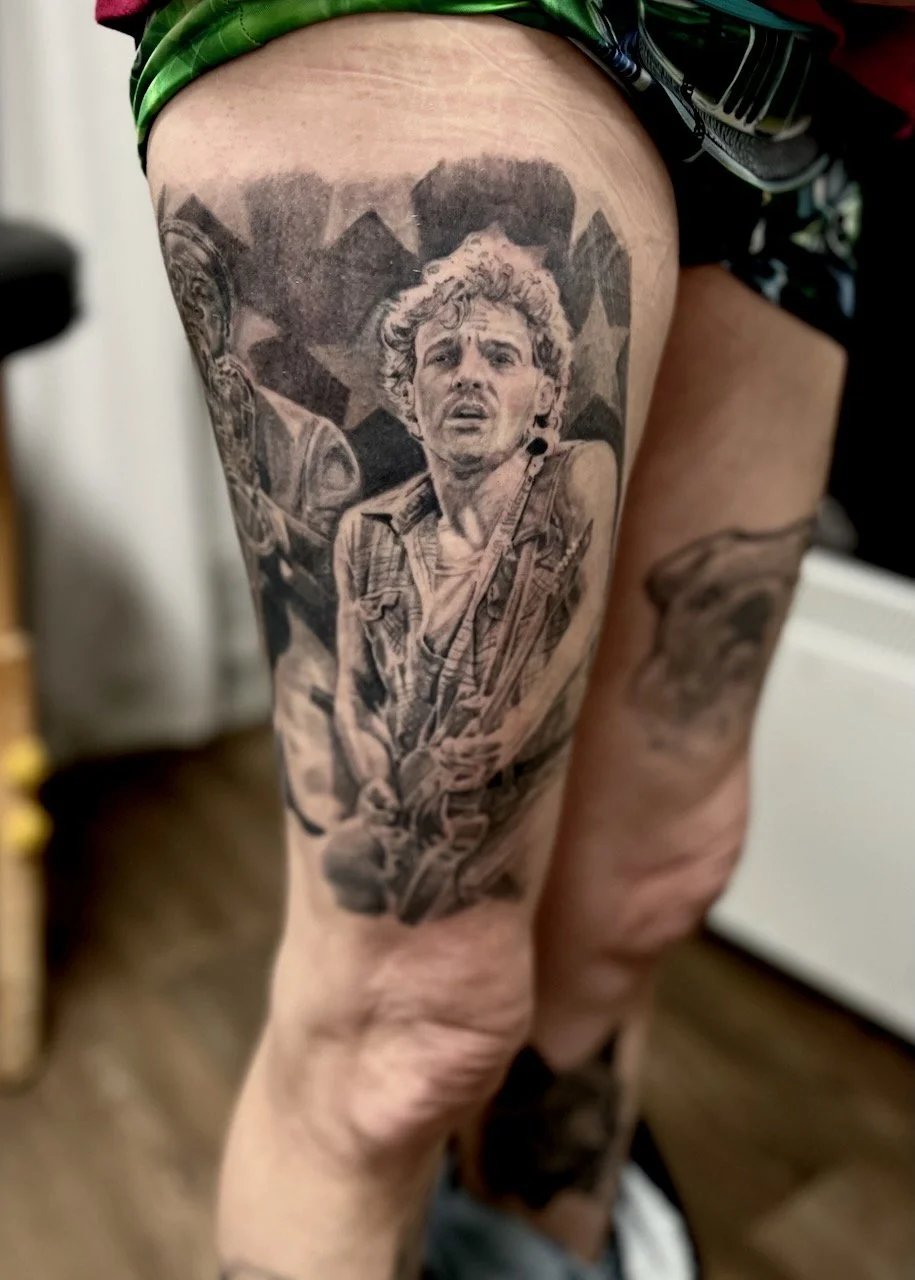
Why Some Tattoos Age Better Than Others
Every tattoo ages. There's no avoiding it - ink in skin is a permanent addition to a living, changing surface. Sun exposure, skin changes, the slow migration of pigment over decades. These things happen to every tattoo, on every person, without exception. But they don't happen equally.
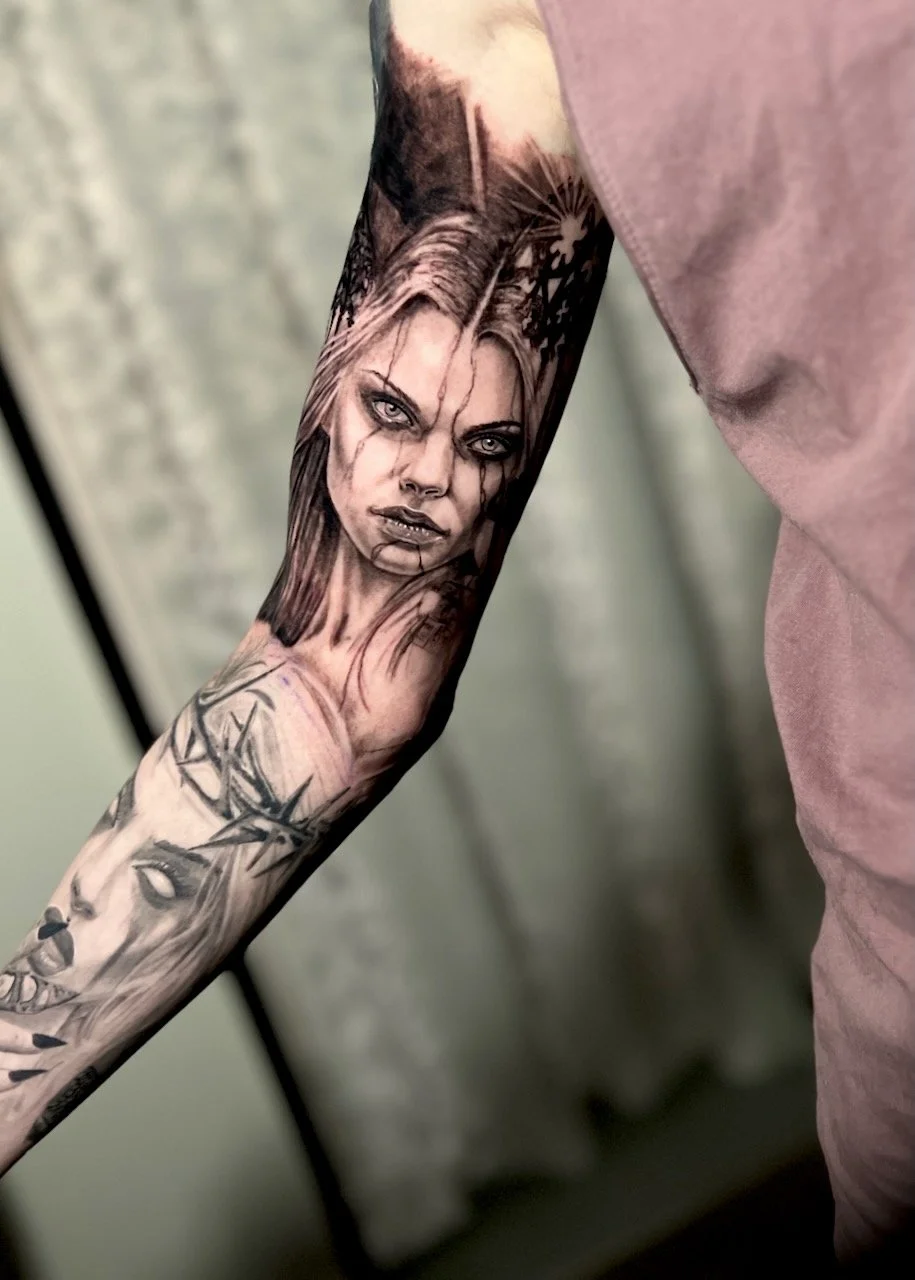
How Large-Scale Tattoos Are Designed
A sleeve isn't a collection of tattoos. A back piece isn't a large tattoo. These are compositions - designed works that treat the body as a single canvas and build something cohesive across it. That distinction matters more than most people realise when they start planning large-scale work.
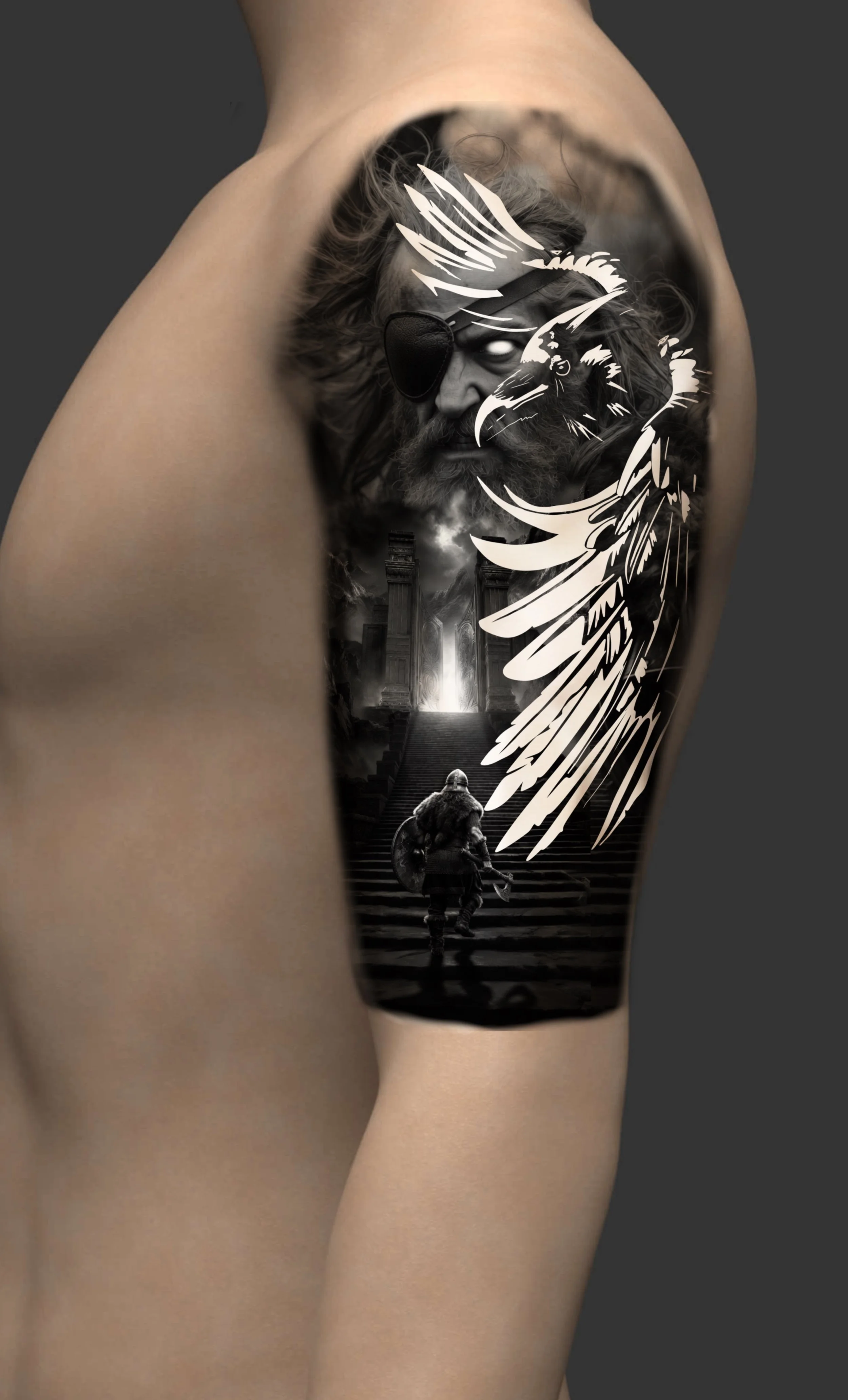
What Happens During a Consultation
For a lot of people, the consultation is the most uncertain part of the tattoo process. You know what a tattoo session involves. You know about healing and aftercare. But the consultation - the conversation before any of that - can feel undefined.
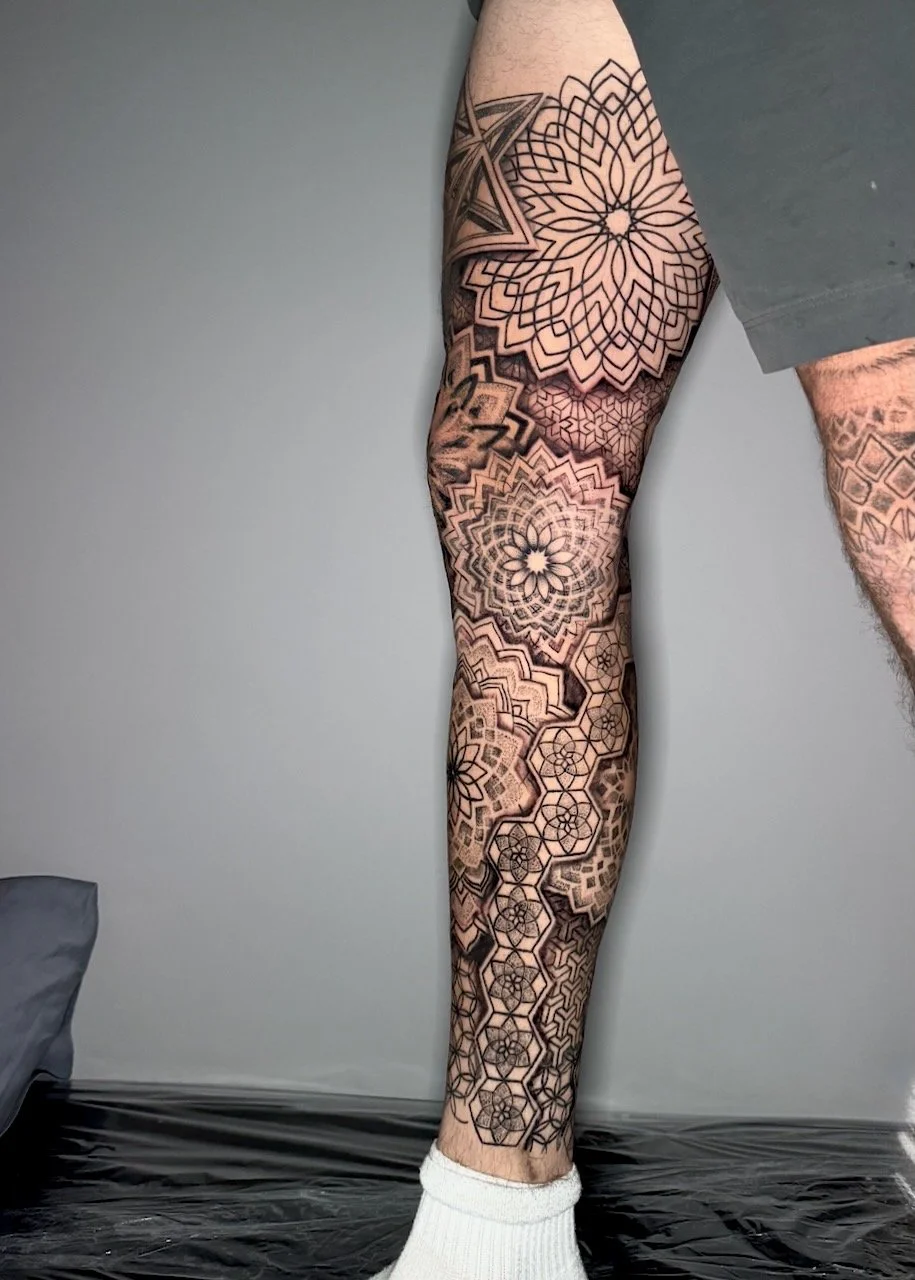
What Determines How Long a Tattoo Takes?
Two half sleeves. Similar coverage. One takes three sessions. The other takes eight. This surprises people. It shouldn't - but only because nobody explains it.
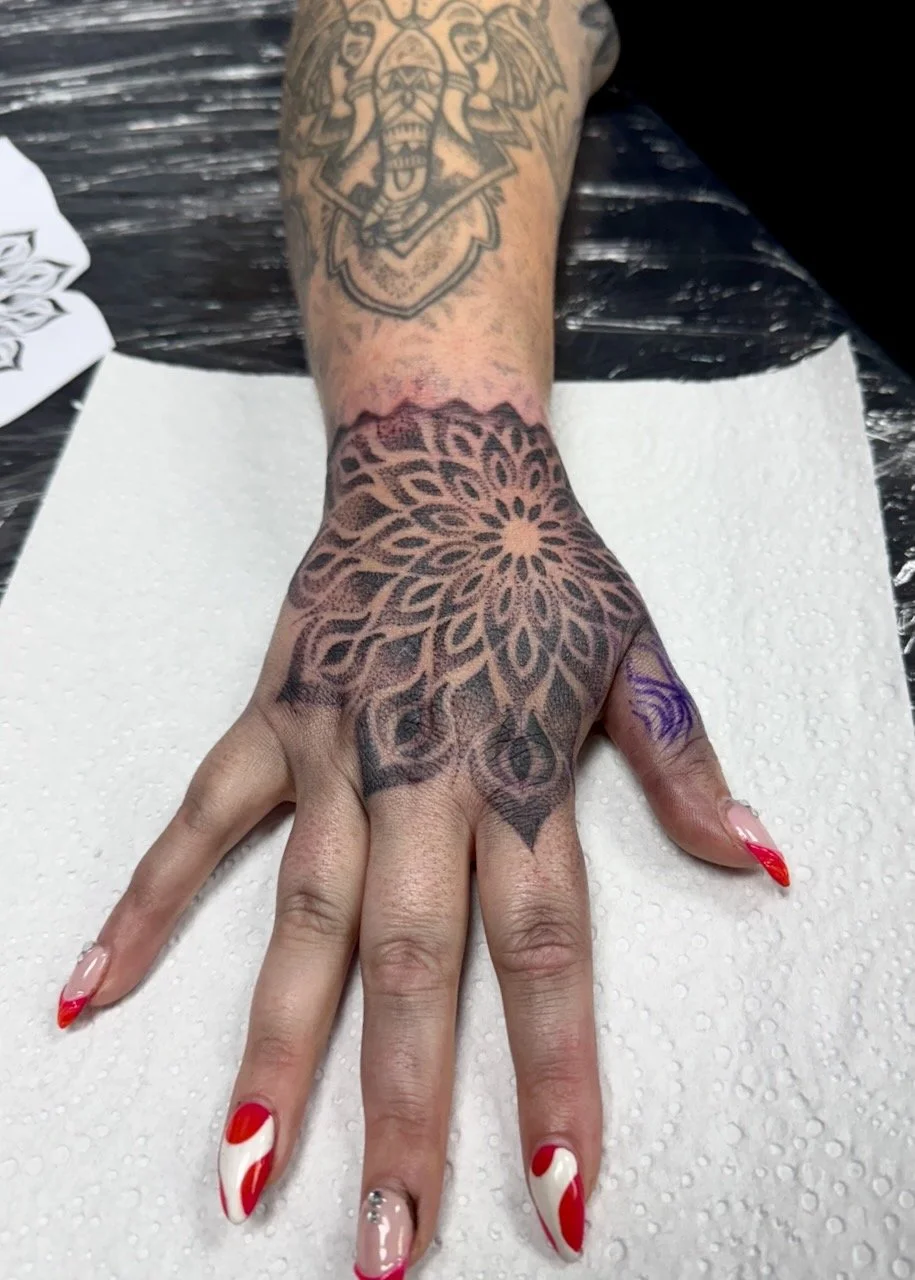
Hand Tattoos: The Truth
Hand tattoos have never been more popular. They're also among the most challenging tattoos to execute well and maintain long-term - and the gap between what people expect and what they get is wider here than almost anywhere else on the body.
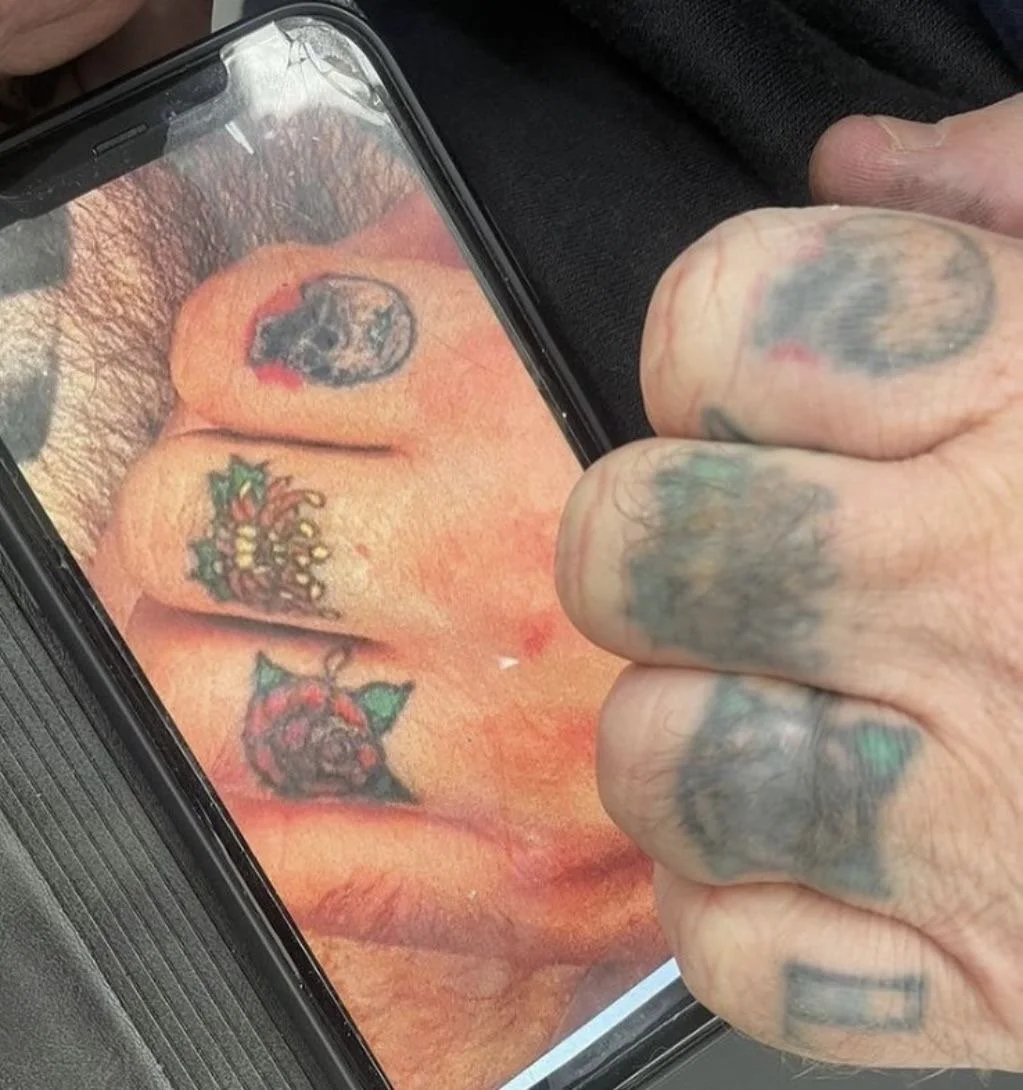
Finger Tattoos: What to Expect
Finger tattoos are one of the most requested placements in tattooing right now. They're also one of the most misunderstood - not in terms of what they look like fresh, but in terms of what they become.

Aftercare: What Actually Matters vs What People Worry About
Most of what people worry about doesn't matter much. A handful of things matter a great deal. This post is an attempt to separate them.
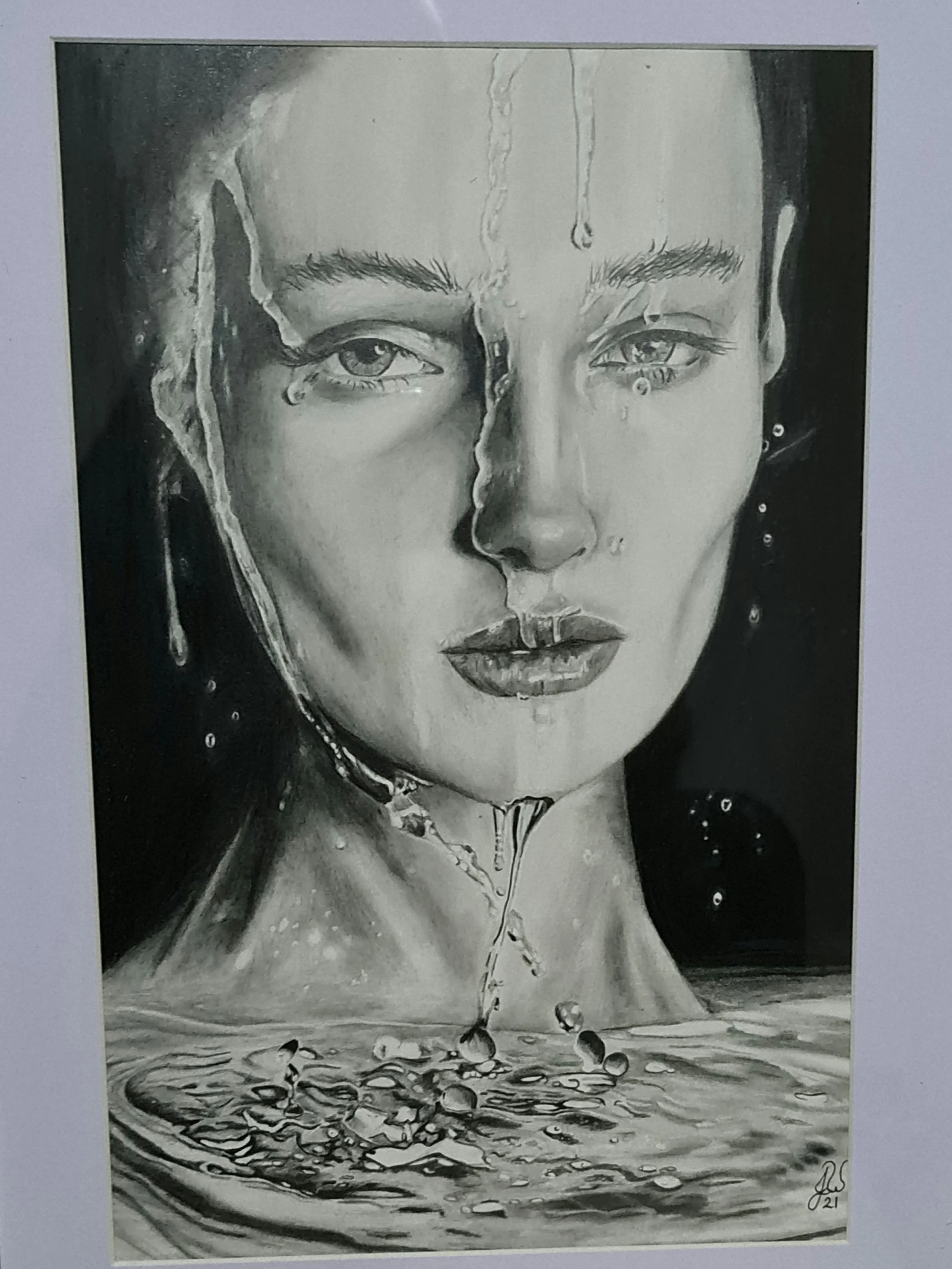
Why I Chose Black & Grey
Every artist ends up somewhere. The style they work in, the subjects they return to, the aesthetic they've built their practice around - none of it is accidental, even when it doesn't feel like a deliberate decision at the time. For me, that somewhere is black and grey.
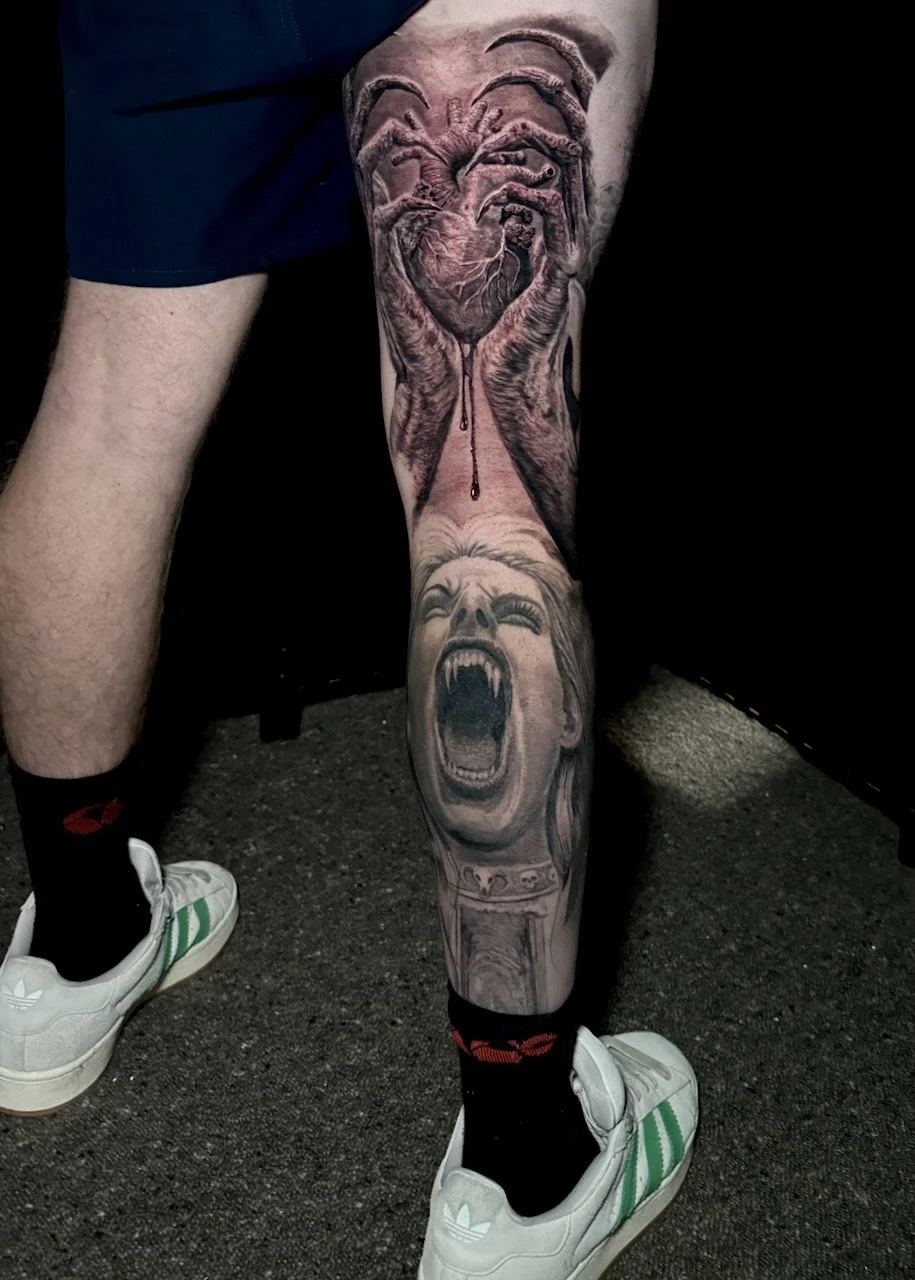
The Art Behind Dark Realism
Dark realism is a style that gets described a lot and understood less often. The descriptions tend to focus on subject matter - skulls, gothic imagery, dramatic lighting, shadow-heavy compositions. And those things are accurate as far as they go. But they describe what dark realism looks like without touching what it's actually trying to do. This is an attempt to get at the second thing.